
Alabama Drivers Admit to Distracted Driving at Alarming Rates
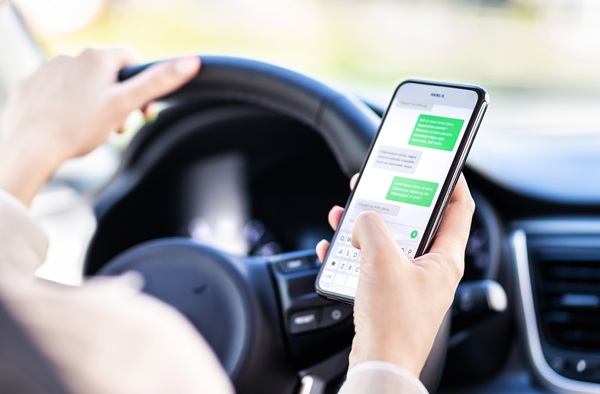
A quiet morning commute can violently transform into a life-altering tragedy in the brief moment it takes to glance at a glowing phone screen. We know that behind every distracted driving statistic is a family whose world has been permanently shattered by someone else choosing convenience over safety.
The Mobile, AL car accident lawyers at Dean Waite & Associates, LLC, often witness the devastating aftermath of distracted driving. The numbers surrounding these crashes are incredibly discouraging, particularly when we look at recent data revealing just how pervasive the problem has become right here at home.
The Alarming Reality of Alabama’s 2026 Distraction Rates
Alabama's quiet morning commutes are increasingly becoming tragedies in the brief glow of a phone screen. According to 2026 survey data, Alabama now leads the nation in distracted driving, with a 45% participation rate—10 points higher than the national average.
At Dean Waite & Associates, LLC, we've seen how these numbers translate into shattered lives. Whether it's "The Stylist" profile common in our state—where drivers admit to grooming or applying makeup behind the wheel—or routine phone use, these aren't just habits; they're choices that put everyone on the road at risk.
When drivers treat their vehicles like rolling living rooms, we're here to make sure they're held accountable for the fallout.
What Actually Constitutes Distracted Driving?
Many people falsely believe they are safe drivers simply because they don't text while driving. However, the National Highway Traffic Safety Administration strictly defines distraction as any activity that diverts a person's attention away from the primary task of driving. True road safety requires your hands, eyes, and mind to work in complete synchronization.
When we break down the mechanics of human attention, we categorize these dangerous behaviors into three distinct groups:
- Visual Distractions: Taking eyes off the road to look at a GPS map, read a text message, or turn around to check on a passenger in the backseat.
- Manual Distractions: Removing hands from the steering wheel to grab a cup of coffee, unwrap a meal, or reach for a dropped item on the floorboard.
- Cognitive Distractions: Letting the mind wander into deep thought or daydreaming instead of actively anticipating the traffic patterns unfolding ahead.
Why the Perception Gap Multiplies the Danger
One of the most concerning revelations from the recent data is the massive disconnect between how drivers perceive their own skills and the reality of their actions. Americans admit to engaging in an average of 10 different distracted driving behaviors over the course of a year, and only a tiny fraction of drivers completely abstain from these habits. Yet, confidence remains dangerously high.
Among the most easily distracted drivers who admitted to participating in twenty or more risky behaviors, a staggering 69 percent still rated themselves as more attentive than the average driver. Furthermore, nearly 68 percent of all drivers claim they're confident in their ability to multitask behind the wheel. This overconfidence acts as a powerful risk multiplier.
When someone checks their phone or eats a meal while driving and doesn't immediately cause a crash, their brain falsely logs that behavior as safe. They lose their fear of the behavior and continue to push their luck until the inevitable collision occurs.
The Perception Gap and Alabama’s Hands-Free Law
There's a dangerous disconnect between how Alabama motorists drive and how they perceive their own skills. While 72% of Alabama drivers admit to making handheld calls despite the 2023 hands-free law, nearly 69% of the most distracted individuals still claim they're "more attentive" than the average driver. This overconfidence acts as a risk multiplier.
When someone silences a notification or reaches for a drink without causing a wreck, they falsely believe the behavior is safe until the inevitable collision occurs. Alabama’s law, which saw strict enforcement begin in 2024, explicitly bans holding a device while driving, yet habits remain deeply ingrained.
Common dangerous behaviors in our state include:
- Visual Distractions: Looking at a GPS, reading a text, or checking on passengers.
- Manual Distractions: Removing hands from the wheel to eat, groom, or reach for dropped items.
- Cognitive Distractions: Daydreaming or focusing on a phone call instead of the traffic patterns ahead.
How Does Alabama Rank Against the Nation?
The state-by-state comparisons paint a grim picture of our local driving environment. While Alabama topped the list with a 45 percent distraction rate, Georgia and Massachusetts followed closely at 42 percent. By contrast, the safest states in the nation include New Jersey at 29 percent, alongside Arizona, Colorado, and Kansas at 30 percent.
Profiling the Most Common Dangerous Habits
Distracted driving isn't always about dramatic, extended periods of phone use. Often, the most common distractions are small, routine actions that people perform every single day. Nationwide, drivers frequently admitted to drinking a beverage while driving, adjusting their navigation systems, and reaching for things inside the cabin.
Interestingly, researchers grouped these behaviors into specific profiles to better understand regional habits. In Alabama, the most common distracted driver profile is "The Stylist". This means a massive portion of drivers in our state openly admit to grooming themselves, applying makeup, or adjusting their hair while they are supposed to be driving.
Recovering from Life-Altering Distracted Driving Injuries
Because distracted drivers rarely brake before an impact, these crashes often happen at full speed, maximizing the physical trauma to your body. We know that behind every statistic is a family dealing with medical consequences that are often life-altering. If you've been struck by an inattentive driver, you're likely facing a long road to recovery from:
- Traumatic Brain Injuries (TBI): Caused by the violent acceleration and deceleration of a high-speed impact.
- Spinal Cord Damage: Resulting in permanent nerve damage or loss of mobility.
- Internal Organ Trauma: Blunt force injuries from seatbelts or dashboards that require immediate surgery.
- Complex Fractures: Crushing injuries to the limbs and ribs that demand months of physical therapy.
Injured in an Alabama Crash? Don't Hesitate, Call Dean Waite.
When you're seriously hurt by someone who couldn't be bothered to put their phone down, you shouldn't have to fight insurance adjusters while you're trying to heal. Our legal team works aggressively to uncover the truth behind a crash, building an undeniable timeline of negligence. We don't just take the driver's word for it; we proactively secure the evidence needed to win, including:
- Subpoenaed Phone Records: To prove the driver was texting or on a call at the exact moment of impact.
- Vehicle Black Box Data: Analyzing speed and braking patterns to show a total lack of reaction time.
- Witness and Video Evidence: Gathering statements and traffic camera footage before it's deleted.
At Dean Waite & Associates, LLC, we offer the compassionate and relentless representation your family deserves. If you've been injured by a distracted driver in Mobile or anywhere in Alabama, don't wait for the insurance company to offer a lowball settlement. Contact us today for a free consultation.
"My experience with Dean Waite's law office was very, very, very professional and family-welcoming. I am very satisfied with the outcome of my case. They went all out for me. Thanks for representing me." - C.B., ⭐⭐⭐⭐⭐