
When Social Media Addiction Turns Into A Legal Claim In Alabama
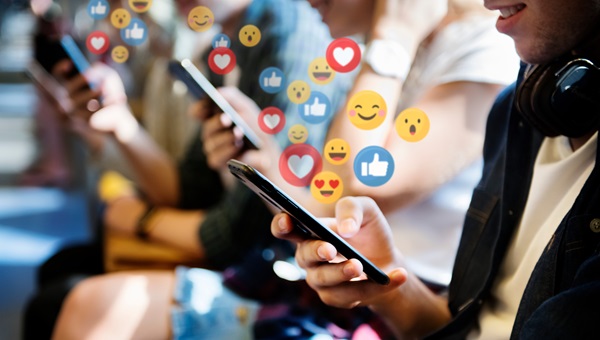
Why Families Are Taking A Closer Look At Platform Design And Psychological Harm
The change is often easy to miss at first. A teenager who once used social media casually starts spending more time online. Sleep slips. Mood changes set in. School performance drops. What looks like ordinary screen time can become something more serious when the platform is designed to keep users engaged for as long as possible.
That is why families across the country are asking a harder question: When does social media use stop being a bad habit and start becoming a legal issue?
In Alabama, that question has real weight. Lawsuits against some of the largest technology companies in the world allege that their platforms were designed not just to attract attention, but to create compulsive use patterns that contribute to serious psychological harm. For a family trying to understand whether that harm may support legal action, speaking with an Alabama personal injury lawyer may be an important first step.
The Invisible Engineering of Addictive Design
Social media platforms do not rely on chance to hold attention. They are engineered to do it. Behind every feed is an algorithm that analyzes user behavior and delivers content designed to keep users scrolling, clicking, and returning.
Features that seem harmless on the surface can have a cumulative effect over time. These design choices are now at the center of many legal claims because they are not accidental.
- Algorithm-Driven Content Loops: Platforms track what a user watches, likes, and lingers on, then serve increasingly targeted content that is harder to disengage from.
- Infinite Scroll: There is no natural stopping point, which removes the cues that would normally signal a user to take a break.
- Push Notifications: Alerts are timed and structured to pull users back in, even after they try to step away.
- Variable Rewards: Likes, comments, and new content appear unpredictably, reinforcing repeated checking behavior.
When these elements work together, they can create patterns of use that resemble dependency. That pattern is what plaintiffs in these cases argue was not only foreseeable but intentionally designed.
When Heavy Use Becomes Legally Actionable Harm
Not every teenager who spends too much time online has a legal claim. The issue becomes more serious when excessive use is tied to documented psychological injury, and there is evidence that the platform’s design contributed to that harm.
That distinction matters. These cases are not built around ordinary parental frustration with screen time. They are built around measurable injury.
The harms alleged in current social media litigation include:
- Depression
- Anxiety
- Eating Disorders
- Self-Harm
- Suicidal Ideation
For a legal claim to succeed in Alabama, we must go beyond "too much screen time." We look for a diagnostic pivot, a clear point in a young person’s medical or school records where their health took a sharp turn. This might include a sudden jump in therapy visits, a prescription for anti-anxiety medication, or a school disciplinary record that didn't exist before the compulsive use began. These records are the evidence that turns a family struggle into a solid legal case.
In many cases, conditions develop alongside compulsive platform use, disrupted sleep, withdrawal from family or friends, and a noticeable decline in day-to-day functioning. When that pattern is supported by medical evidence, the issue may shift from a household concern to a product liability and negligence question.
Why Meta, TikTok, And YouTube Are Being Sued
The lawsuits filed against companies like Meta, TikTok, and YouTube are based on legal theories used in other major product cases. The core argument is not that social media exists, but that it was designed and maintained to prioritize engagement over user safety.
Two claims appear frequently in these cases:
- Negligence. Plaintiffs argue that companies failed to act reasonably in designing products that they knew could cause harm, especially to younger users.
- Failure to warn. Families allege that platforms did not adequately disclose the risks associated with prolonged use, even as internal data suggested those risks were real.
These cases also focus on what companies knew and when they knew it. If internal research or data showed that certain features contributed to harmful outcomes, the decision to continue or expand those features becomes a central issue.
The legal theory is straightforward. When a product causes harm, and the risks were known or should have been known, the company behind that product can be held accountable.
In Alabama, we view these platforms through the lens of the Alabama Texas Manufacturers’ Liability Doctrine (AEMLD). If a product is "unreasonably dangerous" for its intended user—in this case, a child or teenager—the manufacturer has a duty to fix that defect or provide an adequate warning. When a platform's code is specifically tuned to bypass a minor's impulse control, that isn't just a "feature." It’s a design defect.
Analyzing the $6 Million Verdict and Its Impact
A recent California trial brought national attention to this litigation. The first social media trial in the California Judicial Council Coordinated Proceedings ended with a $6 million verdict for a young female plaintiff who alleged that addictive platform features caused significant psychological harm. The jury found Meta and YouTube liable for negligence and failure to warn, awarding $3 million in compensatory damages and $3 million in punitive damages.
That matters because this case did not just survive a motion to dismiss or get folded into a larger wave of litigation. It went to trial, was put in front of a jury, and ended with a plaintiff’s verdict. For Alabama families, that is a meaningful development. It shows these claims are not just being filed. They are being tested and, in some cases, winning.
Snapchat and TikTok were also part of that case, but neither stayed in through verdict. Snapchat reached a confidential settlement just days before jury selection, and TikTok settled on the eve of trial. The case then moved forward against Meta and YouTube, marking an important milestone in the broader litigation over social media addiction and psychological harm.
The takeaway is simple. These cases are no longer speculative. They are producing settlements, reaching juries, and giving families a clearer path to pursue accountability when addictive social media design is tied to serious mental health harm.
What This Means For Alabama Families
Social media addiction cases are still developing, but the landscape is changing. Claims that might once have been dismissed as too new or too uncertain are now moving through coordinated litigation, supported by experts, medical records, and evidence about how these platforms were designed.
That does not make these cases easy. They are fact-intensive and hard-fought. Families must be able to show real harm, not just excessive use, and they must connect that harm to the platform in a clear and credible way.
That is why early legal review matters. When a child or young adult has suffered serious mental health consequences tied to compulsive social media use, the first question is whether the facts support a legal claim.
Compassionate Advocacy for Families Facing Catastrophic Mental Harm
When a product begins to affect a child’s mental health in a serious and lasting way, the situation deserves a closer look. These cases are complex, and they call for a law firm that knows how to take on powerful defendants, build serious injury claims, and push through the resistance that comes when major companies have a lot to lose.
Taking on the world’s largest tech companies requires more than just a lawyer. It requires a firm with the financial resources to hire forensic algorithm experts and world-class psychologists. At Dean Waite & Associates, LLC, we’ve recovered over $150 million for our clients because we don't back down when the defendant has unlimited resources.
Get clear answers about what happened and what can be done about it. Make the call that matters. Contact us today for a free and confidential consultation.
"They were always first to reach out to me and answered every question along the way. Along with the office staff, everybody is so nice and super helpful! If you need to choose, choose Dean Waite!" - Rachel M., ⭐⭐⭐⭐⭐