
Alabama Bicycle Accident Victims Can Lose Everything if They Are Even 1% at Fault
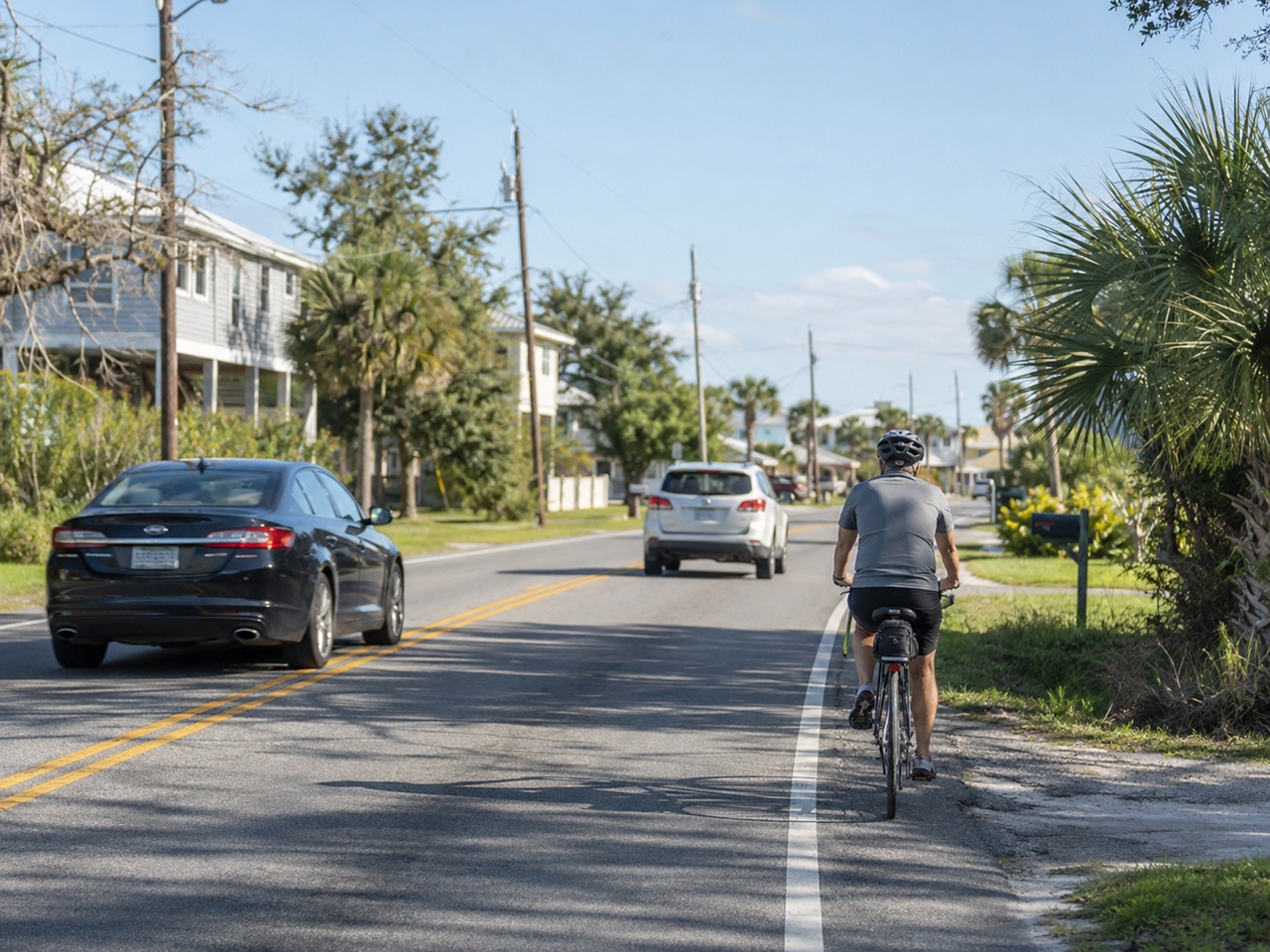
Alabama's Contributory Negligence Rule Can Put Bicycle Accident Claims At Risk, And Insurance Companies Know It
Every bicycle ride should end safely. But when a negligent driver strikes a cyclist, the consequences can be devastating. Broken bones, traumatic brain injuries, spinal cord damage, and months of rehabilitation are common after serious bicycle accidents.
In Alabama, injured cyclists face another challenge that many accident victims in other states do not: one of the country’s strictest fault rules. Under Alabama’s contributory negligence rule, a bicycle accident victim can be barred from recovering compensation if they’re found even slightly responsible for the crash. Insurance companies know this, and they often look for any opportunity to shift blame onto the cyclist.
At Dean Waite & Associates, LLC, our bicycle accident lawyers know how quickly an insurance company can turn a bike crash into a fight over fault. If you were hit while riding in Mobile or anywhere along the Alabama Gulf Coast, our firm can investigate what happened, protect the evidence, and fight back against unfair blame.
Why Is Alabama’s Contributory Negligence Rule So Harsh?
Most states use some form of comparative negligence. That means an injured person may still recover compensation even if they were partly at fault, although their recovery may be reduced by their percentage of responsibility.
Alabama is different. Under contributory negligence, an injured person who contributed to the crash can be barred from recovering compensation. Cornell Law School’s Legal Information Institute explains that a plaintiff who is even 1 percent negligent may recover nothing from a defendant who is 99 percent negligent.
That makes bicycle accident claims especially vulnerable. A driver may have been speeding, distracted, or too close to the bike, but the insurance company may still argue that the cyclist made one small mistake that should defeat the entire claim.
How Do Insurance Companies Try To Blame Cyclists?
After a bicycle crash, the insurance adjuster may sound helpful. But the company’s goal is usually to limit what it pays. In Alabama, that often means searching for any argument that the cyclist shares fault.
The insurance company may claim the cyclist:
- Failed to Signal Before Turning: A driver may argue they did not know the cyclist intended to turn or change position in the lane.
- Was Riding Outside A Bike Lane: Insurers may question lane position, even when the cyclist had a reason to avoid debris, parked cars, or unsafe road conditions.
- Was Not Visible Enough: The company may focus on clothing, lighting, reflectors, or the time of day rather than the driver’s failure to watch the road.
- Entered an Intersection Too Quickly: A driver may try to blame the cyclist for being in the intersection, even when the driver failed to yield.
- Failed To Maintain A Proper Lookout: Insurers may twist ordinary crash confusion into an argument that the cyclist should have seen and avoided the vehicle.
Even innocent comments can become a problem. Statements like “I didn’t see the car” or “I may have been going fast” can later be used to argue that you contributed to the crash. That is why it is important to be careful when speaking with insurance companies after a crash.
What Alabama Bicycle Rules May Matter After A Crash?
Bicyclists have responsibilities on the road, and so do drivers. Alabama law generally requires cyclists to ride as near to the right side of the roadway as practicable, with due care when passing a stopped vehicle or another vehicle moving in the same direction.
That language matters because “as practicable” does not always mean hugging the curb. A cyclist may need to move away from the edge of the road to avoid potholes, gravel, parked cars, opening doors, drainage grates, or other hazards.
Drivers also have to share the road safely. The National Highway Traffic Safety Administration says people on bicycles have the same rights and responsibilities as people behind the wheel, and drivers should yield to bicyclists, look for them before turning or backing up, reduce speed for road conditions, and give cyclists room when passing.
NHTSA also notes that bicyclist passing laws are designed to require drivers to leave legally defined clearance space when overtaking people on bikes, reducing the risk of sideswipe crashes and close passes that can destabilize a cyclist.
Why Do Bicycle Accidents Cause Such Serious Injuries?
Unlike occupants inside passenger vehicles, cyclists have almost no protection during a collision. Even a lower-speed crash can cause severe injuries because the rider absorbs much of the impact.
Common bicycle accident injuries include:
- Traumatic Brain Injuries: A cyclist who hits the pavement, a windshield, or another hard surface can suffer a concussion or more serious brain trauma.
- Spinal Cord Injuries: Damage to the spine can cause chronic pain, weakness, loss of sensation, or paralysis.
- Broken Bones: Cyclists often suffer fractures in the arms, legs, ribs, hips, wrists, and collarbone.
- Facial and Dental Injuries: A direct impact can cause fractures, scarring, eye injuries, and dental trauma.
- Internal Injuries: Blunt-force trauma can damage organs or cause internal bleeding that may not be obvious right away.
- Permanent Injuries And Disabilities: Some cyclists never fully recover from the physical effects of a serious crash.
Many injured cyclists need surgery, hospitalization, rehabilitation, and months away from work. Some deal with pain, anxiety, sleep problems, and fear of riding again long after the visible injuries begin to heal.
How Do Negligent Drivers Cause Bicycle Accidents?
Insurance companies may try to blame cyclists, but many bicycle crashes happen because drivers fail to operate safely around people on bikes.
Common driver mistakes include:
- Failing To Yield: Drivers may turn across a cyclist’s path at intersections, driveways, parking lots, or side streets.
- Distracted Driving: A driver who is texting, using GPS, eating, or looking away from the road may not see a cyclist in time.
- Speeding: Higher speeds give drivers less time to react and can make cyclist injuries far more severe.
- Dooring: A driver or passenger may open a vehicle door into a cyclist’s path without looking.
- Unsafe Lane Changes: Drivers may drift, merge, or change lanes without checking their blind spots for cyclists.
- Passing Too Closely: A close pass can force a cyclist off balance, into debris, or off the roadway.
- Reckless Driving: Aggressive driving, tailgating, red-light running, and unsafe turns can put cyclists in immediate danger.
When a driver causes a crash, the cyclist’s claim may depend on showing exactly what the driver did wrong and shutting down any attempt to shift blame.
What Evidence Can Protect An Alabama Bicycle Accident Claim?
Because even a small allegation of fault can threaten an Alabama injury claim, preserving evidence after a bicycle accident is critical. The goal is to prove what happened before the insurance company builds its own version of the crash.
Strong evidence may include:
- Crash Scene Photos: Pictures of the road, traffic signs, bike lane, debris, skid marks, vehicle damage, and bicycle damage can help show how the collision happened.
- Surveillance or Dash Camera Footage: Nearby homes, businesses, traffic cameras, and vehicles may have captured the moments leading up to impact.
- Witness Statements: Independent witnesses can explain how fast the driver was going, where the cyclist was riding, and whether the driver failed to yield.
- Police Reports: The Alabama Uniform Traffic Accident Report may include driver statements, citations, roadway details, and the officer’s crash diagram.
- Medical Records: Prompt treatment links the injuries to the crash and documents the severity of the impact.
- Accident Reconstruction: Experts may use physical evidence, vehicle damage, bicycle damage, and roadway measurements to determine how the crash happened.
The sooner this evidence is collected, the harder it becomes for an insurer to argue that the cyclist caused or contributed to the crash.
What Should You Do After A Bicycle Accident In Alabama?
What you do after a crash can affect both your health and your claim. After any serious bicycle accident, try to take these steps if you can:
- Call 911: Report the crash and ask for medical help, even if you are not sure how badly you are hurt.
- Get Medical Care: Do not assume pain, dizziness, numbness, headaches, or confusion will go away on their own.
- Do Not Admit Fault: Avoid guessing about what you did or did not do. Stick to facts when speaking with police or medical providers.
- Save Your Bike and Gear: Do not repair, throw away, or alter the bicycle, helmet, lights, clothing, shoes, or damaged equipment.
- Take Photos: Document the scene, the vehicle, the bike, your injuries, road conditions, and anything that may have affected visibility.
- Talk To A Lawyer Before The Insurance Company Controls The Story: An attorney can help protect evidence and handle communication with insurers.
In a contributory negligence state, small details matter. A quick recorded statement, a vague apology, or a social media post can create problems that did not need to exist.
How Can A Lawyer Fight Unfair Blame After A Bike Crash?
A bicycle accident lawyer can help protect the claim by building the case on evidence rather than assumptions. That may include visiting the crash scene, preserving video footage, interviewing witnesses, reviewing the accident report, documenting the injuries, working with reconstruction experts, and dealing directly with insurers.
It may also mean challenging the insurance company’s tactics. If an adjuster claims the cyclist was partly responsible, the lawyer can demand proof, compare that claim against the physical evidence, and show why the driver’s conduct caused the crash.
Dean Waite & Associates, LLC knows the arguments insurers use to deny and reduce claims. We also know how insurance company tricks can leave injured people with less than they deserve. Our job is to protect your rights and push back before those tactics damage your case.
What Compensation May Be Available After A Bicycle Accident?
A serious bicycle crash can leave you with medical bills, lost income, pain, limited mobility, emotional distress, and long-term uncertainty. Depending on the facts of the case, compensation may include money for emergency care, surgery, rehabilitation, lost wages, reduced earning capacity, pain and suffering, and future medical needs.
When injuries are permanent, the claim must account for more than today’s bills. It should reflect how the crash affects work, family life, independence, and the ability to enjoy everyday activities.
Protect Your Rights After An Alabama Bicycle Accident
A bicycle accident can leave you facing painful injuries, mounting medical bills, lost income, and pressure from an insurance company that does not have your best interests in mind. Acting quickly to protect your rights matters.
At Dean Waite & Associates, LLC, we know the tactics insurance companies use and how to fight back. Our attorneys have served more than 8,000 clients across Alabama and have more than 25 years of combined experience standing up for people hurt by someone else’s negligence. We are committed to responsive, client-first representation while pursuing the maximum compensation our clients deserve.
If you or someone you love was injured in a bicycle accident in Mobile or anywhere along the Alabama Gulf Coast, do not let the insurance company decide what your case is worth. Don’t Hesitate. Call Dean Waite! Contact us today for a free case evaluation. We are available 24/7, and you pay nothing unless we win your case.
"I have nothing but good things to say about Dean Waite and Associates! They are fast and reliable! I would 100% recommend them to anyone that needs an attorney! 10/10! They will definitely get my business again if I need it!" - Valarey H., ⭐⭐⭐⭐⭐